


Chinese food therapy
On this page
- What is Chinese food therapy?
- History of Chinese food therapy
- Core principles of Chinese food therapy
- The thermal natures of food
- The five flavours and organ systems
- Supporting digestion the Chinese way
- Food therapy for specific conditions
- Why cold and raw foods are avoided
- Commonly asked questions
- References
1. What is Chinese food therapy?
Chinese food therapy — known as shi liao ('food treatment') or shi yang ('food nourishment') — is the therapeutic use of food and diet, guided by the principles of traditional Chinese medicine (TCM), to prevent and treat illness, support recovery and maintain optimal health. It is one of the oldest and most fundamental pillars of TCM, grounded in the principle of yao shi tong yuan — the homology of medicine and food — which holds that food and medicinal herbs share the same origin and that certain foods possess specific therapeutic properties that can directly influence health when chosen and prepared correctly.
Unlike western nutritional science, which analyses food primarily in terms of macronutrients, micronutrients and caloric content, Chinese food therapy classifies foods according to their thermal nature (hot, warm, neutral, cool or cold), their flavour (sweet, sour, bitter, pungent or salty), and their specific organ affinities — the organ systems they nourish, strengthen or regulate. This framework allows food choices to be personalised to the individual’s specific pattern of imbalance, in exactly the same way that acupuncture and Chinese herbal medicine are personalised.
As part of my clinical practice, I provide personalised dietary guidance to patients at my clinics in Wokingham, Berkshire, and through online consultations. Dietary recommendations are always tailored to the individual’s TCM diagnosis and are an important complement to acupuncture and herbal treatment, reinforcing the therapeutic effect of clinical treatment between sessions.
2. History of Chinese food therapy
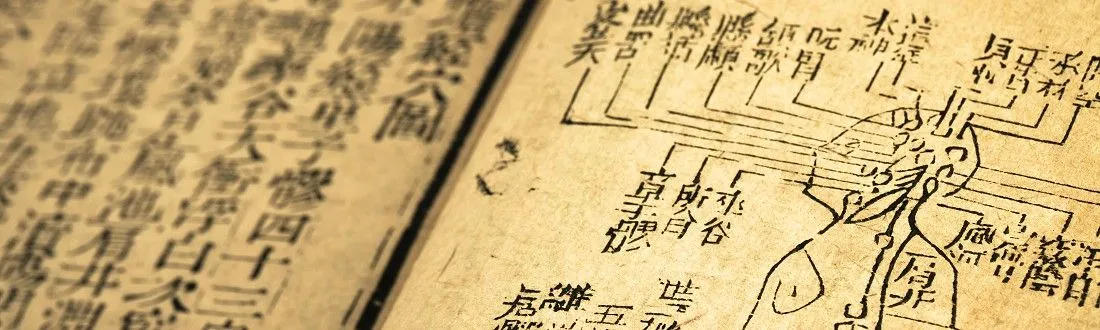
The use of food as medicine in China has a history of at least 3,000 years. The concept of medicine and food sharing the same origin is described in the earliest Chinese medical texts: the Shennong Bencao Jing (Divine Farmer’s Classic of Materia Medica, approximately 200 BCE) records 365 substances used for both food and medicine; while the Huangdi Neijing (Yellow Emperor’s Classic of Internal Medicine, approximately 300 BCE) — the foundational text of TCM — describes a balanced diet as the first line of disease prevention and lays out the principles of hot, cold, warm and neutral food natures that remain at the heart of Chinese food therapy today.
The development of Chinese food therapy into a distinct clinical discipline reached a landmark with Sun Simiao (581–682 AD), the great Tang dynasty physician, who wrote the first dedicated chapter on dietary therapy in his monumental work Qianjin Yaofang (Prescriptions Worth a Thousand Gold). Sun Simiao classified 154 foods into categories of fruits, vegetables, grains, poultry and meats, and documented over 160 dietary contraindications alongside the principle of seasonal dietary variation. His famous statement – “A good physician first treats with diet; only if diet is insufficient does he turn to medicine” – captures the primacy of food therapy within TCM and remains a guiding principle of integrated practice today.
Chinese food therapy continued to develop through subsequent dynasties, with dedicated materia medica of food therapy produced in each era. By the Ming dynasty (1368–1644 AD), hundreds of dedicated food therapy texts had been written, cataloguing thousands of foods and their therapeutic properties. This rich accumulated tradition is what informs the dietary recommendations I provide alongside clinical treatment today.
3. Core principles of Chinese food therapy
Chinese food therapy rests on several foundational principles that distinguish it from conventional western dietary advice:
Food and medicine share the same origin
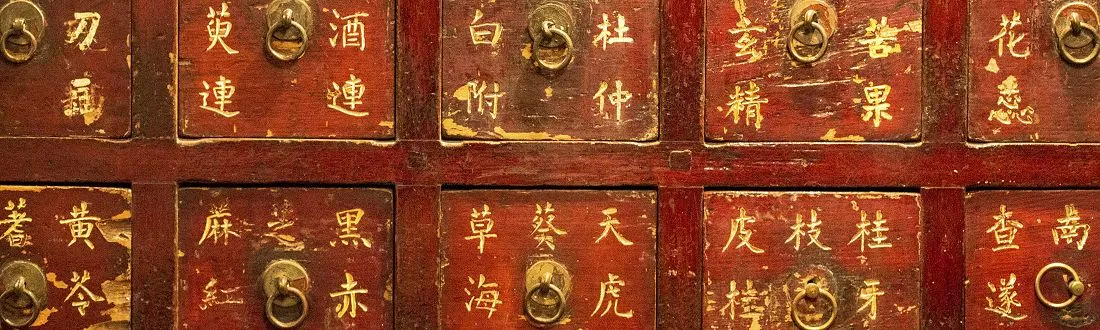
The Chinese tradition has never drawn a sharp boundary between food and medicine. Many substances appear in both the food materia medica and the herbal materia medica — ginger, garlic, Chinese dates (hong zao), goji berries (gou qi zi), lotus seeds (lian zi), Chinese yam (shan yao), barley (yi yi ren) and many others are used both as everyday foods and as clinical medicinal ingredients. This integration means that dietary guidance in TCM is genuinely therapeutic, not merely nutritional.
Diet should match the individual’s pattern
In Chinese food therapy, there is no single “healthy diet” that is right for everyone. The appropriate diet for a person depends on their individual TCM constitution and pattern of imbalance. Someone with a pattern of excess heat requires cooling foods; someone with Kidney yang deficiency requires warming foods; someone with blood deficiency requires blood-nourishing foods. Giving the same dietary advice to everyone regardless of their constitution — as western nutrition often does — is considered inappropriate and potentially counterproductive in TCM.
Seasonal eating
Chinese food therapy strongly emphasises eating in alignment with the seasons. Cooling, light foods are appropriate in summer; warming, nourishing foods are appropriate in winter. Root vegetables, soups, stews and slow-cooked foods are favoured in autumn and winter; lighter preparations with more vegetables and less meat in spring and summer. This seasonal alignment supports the body’s natural adaptation to environmental changes and preserves health across the year.
Regular, warm, cooked meals
Eating at regular times, consuming cooked rather than raw food, and avoiding extremes of temperature are central recommendations of Chinese food therapy. The Stomach and Spleen — the organ systems responsible for digestion in TCM — function optimally when fed warm, regularly and with foods that are easy to process. Irregular eating, skipping meals, eating cold foods and eating very late at night all weaken digestive function and reduce the production of qi and blood.
The happy stomach principle
A central concept of Chinese dietary medicine is that a healthy, happy digestive system is the foundation of all good health. The Spleen and Stomach are the “root of postnatal essence” in TCM — the source from which all of the body’s qi, blood and vital substances are produced after birth. When digestion is strong, qi and blood are abundant and the whole body thrives. When digestion is weak — from poor diet, cold foods, irregular eating or excessive worry — qi and blood production falls and health deteriorates. As the old Chinese saying goes: “A happy stomach is a happy body.”
Mindful eating
TCM dietary tradition emphasises not only what you eat but how you eat it. The classical saying “chew your fluids, swallow your food” reflects the practical wisdom that liquids should be sipped slowly and warmed in the mouth before swallowing (so they reach the stomach at body temperature rather than cold), and that food should be chewed thoroughly before swallowing, reducing the digestive load on the Stomach and making nutrients more available. Eating slowly, without distraction, in a relaxed and pleasant environment is considered as important as the food itself.
4. The thermal natures of food
Every food in Chinese dietary medicine is classified according to its thermal nature — its inherent effect on the body’s temperature and energetic balance. This is not the same as the food’s physical temperature: ice cream is cold in temperature but is classified as both cold and damp in its thermal nature; chilli is thermally hot regardless of whether it is served hot or cold. The five thermal natures are:
| Thermal nature | Effect on the body | Indicated for | Examples |
|---|---|---|---|
| Hot | Strongly warms, activates yang, disperses cold | Cold patterns, Kidney yang deficiency, cold pain | Chilli, lamb, ginger (dried), cinnamon, black pepper |
| Warm | Gently warms, nourishes yang, moves qi and blood | Mild cold patterns, blood deficiency, digestive weakness | Chicken, beef, prawns, walnuts, dates, oats, garlic, leek, ginger (fresh) |
| Neutral | Tonifies qi and blood without heating or cooling | General use, deficiency of qi, suitable for most constitutions | Rice, potato, carrot, corn, pork, eggs, mushrooms, black sesame |
| Cool | Gently cools, nourishes yin, calms heat | Mild heat patterns, yin deficiency, summer heat | Tofu, spinach, pear, apple, cucumber, mung beans, barley, peppermint |
| Cold | Strongly cools, clears heat, reduces inflammation | Excess heat, high fever, inflammation; avoid in cold constitutions | Watermelon, banana, crab, clams, raw tomato, bitter melon, yoghurt |
In practice, most meals should be built primarily around neutral and warm foods, with cooling or warming additions according to the season and individual constitution. Very hot or very cold foods should be used sparingly and therapeutically, not as staples.
5. The five flavours and organ systems
In addition to their thermal nature, foods in TCM are classified by one or more of the five flavours, each of which has a specific affinity with a particular organ system and a characteristic therapeutic action. Understanding the flavour-organ relationships allows food choices to be directed towards nourishing specific organs and correcting specific imbalances:
| Flavour | Organ affinity | Therapeutic action | Examples |
|---|---|---|---|
| Sweet | Spleen and Stomach | Tonifies qi and blood, nourishes, harmonises, moistens. The most important flavour for building energy and nourishing deficiency. | Rice, oats, sweet potato, pumpkin, dates, honey, milk, eggs, chicken |
| Sour | Liver and Gallbladder | Astringes, consolidates, stops leakage. Used for excessive sweating, diarrhoea, frequent urination. | Vinegar, lemon, plum, hawthorn, sour yoghurt, rosehip |
| Bitter | Heart and Small Intestine | Clears heat, dries damp, descends rebellious qi. Used for heat conditions, damp-heat, and digestive stagnation. | Bitter melon, dandelion greens, coffee (in moderation), green tea, asparagus |
| Pungent (spicy) | Lung and Large Intestine | Disperses, moves qi and blood, opens the pores, expels wind-cold. Used for colds, congestion and circulation. | Ginger, garlic, onion, spring onion, chilli (small amounts), radish, mint |
| Salty | Kidney and Bladder | Softens hardness, disperses lumps, nourishes Kidney essence. Used for Kidney deficiency, constipation and lumps. | Seaweed, miso, seafood, shellfish, black beans, salt (in moderation) |
A balanced diet in TCM incorporates all five flavours in moderate proportion, with emphasis on the flavours most needed for the individual’s pattern. Excess of any single flavour can damage its corresponding organ — for example, excess salty foods burden the Kidneys; excess sweet foods weaken the Spleen; excess pungent foods damage the Lungs.
6. Supporting digestion the Chinese way
Digestive strength — the functional capacity of the Spleen and Stomach — is considered the foundation of health in TCM. The Spleen transforms food and fluids into qi and blood; the Stomach receives and begins the breakdown of food. When these organ systems are well supported, energy and blood are abundant and the whole body flourishes. The following dietary principles specifically support digestive health in TCM:
- Eat cooked foods — cooking warms food and begins the process of breaking it down, reducing the digestive work required of the Stomach and making nutrients more accessible. Raw and cold foods require more energy to process, and consistent consumption of raw, cold or iced foods gradually weakens digestive capacity.
- Avoid cold drinks with meals — cold liquids with a meal dramatically reduce the Stomach’s digestive capacity in TCM by lowering the temperature needed for optimal digestion. Room temperature or warm water, herbal teas or warm broth are preferable with and between meals. Sipping fluids slowly allows them to reach body temperature before they enter the Stomach.
- Eat at regular times — the digestive system works best with a consistent rhythm. Eating at regular times each day supports the Chinese body clock, in which different organ systems are most active at specific hours. The Stomach is most active between 7–9am, making breakfast an important meal; the Spleen is most active 9–11am.
- Avoid overeating — the Stomach should be filled to approximately 70–80% capacity at each meal. Overeating creates food stagnation in TCM — a blockage of food and qi in the digestive system that manifests as bloating, heaviness, fatigue and irregular stools.
- Eat simply and avoid excessively rich, greasy or damp foods — dairy products, cheese, cream, excessive sugar, processed foods and very fatty foods are classified as “damp” in TCM — they burden the Spleen and generate the pathological accumulation of fluids and phlegm that underlies many chronic conditions including PCOS, IBS and poor sleep.
- Chew thoroughly — thorough chewing (ideally 20–30 times per mouthful for solid food) begins the digestive process in the mouth, reducing the load on the Stomach and significantly improving nutrient absorption.
7. Food therapy for specific conditions
Chinese food therapy is most effective when dietary recommendations are personalised to the individual’s specific TCM pattern. The following are general dietary guidelines for the conditions I most commonly treat in clinical practice:
Fertility and reproductive health
Fertility in TCM depends on the strength of Kidney essence (jing), the abundance of qi and blood, and the warmth and receptivity of the uterus. Key dietary principles for fertility include: eating plenty of Kidney-nourishing foods such as black beans, black sesame seeds, walnuts, seafood (especially oysters and prawns), eggs (the Chinese principle of like-for-like — eggs to nourish eggs), bone broth and dark leafy greens; eating blood-nourishing foods such as red meat in moderation, liver, dark sesame, goji berries and mulberries; and avoiding cold foods that impair uterine warmth, particularly ice cream, cold smoothies, iced drinks and excessive raw salads. For male fertility, Kidney yang-nourishing foods including lamb, chicken, walnuts, leeks and shellfish support sperm quality alongside the avoidance of excessive alcohol and spicy food.
Pain and musculoskeletal conditions
Most pain conditions in TCM involve stagnation of qi and blood — reduced circulation to the affected area. Dietary support focuses on foods that move blood and qi and reduce inflammation: oily fish (salmon, mackerel, sardines) for their omega-3 anti-inflammatory effects; ginger and turmeric for their warming, circulation-promoting properties; dark berries and colourful vegetables for their antioxidant content; and adequate protein to support tissue repair. Cold-nature foods that impair circulation, including excessive dairy, sugar and cold drinks, should be minimised.
Digestive problems and IBS
For IBS, bloating and digestive weakness, the priority is to reduce damp and support the Spleen. This means: eating warm, cooked foods with easy-to-digest grains (rice, oats, congee); reducing or eliminating dairy, raw foods, cold drinks, gluten and refined sugar; eating regularly and in moderate portions; including small amounts of warming spices such as ginger, cardamom and fennel to support Stomach qi; and avoiding eating when stressed or anxious, as emotional tension directly impairs Liver–Spleen harmony in TCM.
Insomnia and anxiety
For insomnia and anxiety, the most common TCM patterns are Heart blood deficiency and Heart–Kidney yin deficiency. Blood-nourishing foods — eggs, red meat in moderation, dark leafy greens, dates, longan fruit, goji berries, black sesame — support the Heart’s capacity to anchor the mind in sleep. Yin-nourishing foods — black beans, walnuts, pear, milk, sesame, lily bulb, mulberries — cool empty heat and reduce the agitation that prevents sleep. Avoiding stimulants (coffee, strong tea, alcohol, spicy food) in the evening is essential.
Menopausal symptoms
Hot flushes, night sweats and the other classic symptoms of the menopause reflect Kidney yin deficiency generating empty heat in TCM. Dietary support centres on yin-nourishing and heat-clearing foods: tofu and soy foods (phytoestrogen-rich), flaxseeds, sesame seeds, black beans, walnuts, pear, apple, cucumber, mung beans, dark leafy greens and cooling herbal teas (peppermint, chrysanthemum, hibiscus). Reducing warming, yang-generating foods — alcohol, spicy food, lamb, caffeine — helps reduce the heat that drives hot flushes.
Stress and fatigue
Chronic stress and fatigue typically reflect a combination of Liver qi stagnation, Spleen qi deficiency and yin deficiency in TCM. The key dietary principles are: eating regularly and not skipping meals; prioritising easily digestible, qi-tonifying foods such as rice, oats, sweet potato, chicken, eggs, beans, mushrooms and vegetables; avoiding excessive caffeine, alcohol and sugar that temporarily boost energy while depleting underlying qi reserves; and eating at least one warm meal per day.
8. Why cold and raw foods are avoided
One of the most distinctive and frequently questioned aspects of Chinese food therapy is its strong recommendation against cold and raw foods — advice that runs counter to the western nutritional emphasis on salads, smoothies and raw vegetables as markers of a healthy diet.
In TCM, the Stomach is understood as a “cooking pot” that maintains an optimal temperature for breaking down food. Cold foods and drinks lower this temperature, forcing the Stomach to work harder to warm and process them — weakening digestive capacity over time. This is why Chinese restaurants never serve salads: raw, cold foods are considered damaging to the Stomach’s digestive fire (ming men) when consumed regularly.
This does not mean that all plant foods are excluded — vegetables are abundant in Chinese food therapy — but they are almost always cooked: steamed, stir-fried, boiled in soups, or lightly blanched. Even fruit is sometimes cooked (stewed pears for Lung dryness, for example) to make it more digestible. Smoothies made with ice or very cold fruit are particularly problematic in TCM, as they combine the cold-natured effect of fruit with physical cold, creating a double burden on the Stomach.
This also applies to drinks: cold water and iced beverages are considered damaging to digestive qi in TCM. Warm water, green tea, hot soups and herbal teas are consistently recommended in their place. This principle aligns with the traditional Chinese saying “chew your fluids and swallow your food” — ensuring that all food and drink reaches the stomach at the optimal temperature for digestion.
9. Commonly asked questions about Chinese food therapy
Is Chinese food therapy the same as a Chinese diet?
No — Chinese food therapy is a clinical framework for using food therapeutically based on TCM diagnosis, and is not the same as the eating habits of Chinese people or Chinese cuisine. Many modern Chinese people eat western-style diets. Chinese food therapy refers specifically to the system of food classification, thermal natures, flavour-organ relationships and personalised dietary prescription developed within TCM over thousands of years. The foods used in Chinese food therapy are entirely ordinary and globally available — there is nothing exotic or inaccessible about the approach.
Is Chinese food therapy evidence-based?
Research into Chinese food therapy is an active and growing field. The foundational concepts — including the thermal classification of foods, the five flavour-organ relationships and the principle of food and medicine homology — have been the subject of increasing scientific investigation, particularly in China. Studies have explored the clinical application of Chinese dietary therapy for conditions including hypertension, type 2 diabetes, digestive disorders and fertility. Much of the evidence base is observational and the clinical trial literature is still developing, but the broader principles of Chinese food therapy — prioritising cooked foods, warm regular meals, seasonal eating, minimising processed and cold foods, and personalising diet to the individual’s constitution — are consistently aligned with what modern nutritional science identifies as the foundations of good health.
Will I have to eat unusual foods?
No — Chinese food therapy makes use of entirely ordinary, widely available ingredients. The dietary guidance I provide is practical and achievable. Recommendations are based on foods you can find in any supermarket: particular grains, vegetables, meats, fish, legumes, fruits and spices, selected and combined according to your TCM pattern. There are no exotic or expensive ingredients required, and the approach integrates easily with whatever cuisine you already eat.
How does Chinese food therapy differ from western nutritional advice?
The most fundamental difference is individualisation. Western nutrition generally provides population-level dietary guidelines — “eat more fruit and vegetables,” “reduce saturated fat” — that are meant to apply broadly to everyone. Chinese food therapy starts from the individual: their specific TCM pattern, their constitution, their current health problems and the season. A woman with Kidney yang deficiency requires a very different diet from a woman with Liver heat, even if they have the same western medical diagnosis. Chinese food therapy is also far more interested in food preparation (cooked vs raw, warm vs cold) and eating habits (timing, pace, environment) than western nutrition typically is.
Can dietary changes alone treat health problems?
Diet is one of the most important foundations of health in TCM, but for established health problems, dietary changes alone are rarely sufficient — they work most powerfully when combined with acupuncture, Chinese herbal medicine and appropriate lifestyle changes. Diet reinforces and extends the therapeutic work done in clinical treatment: it is “maintenance medicine” that continues to work between sessions, supporting the body’s return to balance around the clock. I provide personalised dietary guidance as part of every initial consultation, and refine recommendations as treatment progresses.
References
History and principles of Chinese food therapy
Wu X, Liang X. (2018) Introducing Chinese food therapy: A review of origin, developing history and modern application. TMR Integrative Nursing. 2(2):48–55. doi: 10.12032/TMRIN20180228.
Medicine and food homology
TCM nutrition and systems theory
Chinese food therapy and hypertension
Traditional Chinese dietary patterns and metabolic health
Niu X, et al. (2025) Exploring the traditional Chinese diet and its association with health status: a systematic review. Nutrition Reviews. 83(2):e237–e256. doi: 10.1093/nutrit/nuae013.















