

Amenorrhoea - Wokingham, Berkshire
On this page
- Overview
- Types of amenorrhoea
- Symptoms
- Causes
- Amenorrhoea in Chinese medicine
- Acupuncture for amenorrhoea
- Chinese herbal medicine for amenorrhoea
- Self-care
- Treatment at my clinic
- Frequently asked questions
- References
1. Overview
Amenorrhoea is the absence of menstruation in a woman of reproductive age. It is not a diagnosis in itself but a symptom reflecting an underlying disruption to the hypothalamic-pituitary-ovarian (HPO) axis or to the structural integrity of the uterus. Secondary amenorrhoea — where periods were previously present but have stopped — affects approximately 2–5% of women of reproductive age in Western countries and is commonly seen in women who exercise excessively, diet severely or are under significant chronic stress.
Amenorrhoea has important consequences beyond fertility. Without regular menstrual cycles, oestrogen levels are suppressed, which over time increases the risk of osteoporosis and cardiovascular disease. It is therefore important to address the underlying cause and restore natural menstruation as early as possible, not only for women wishing to conceive but for all women affected.
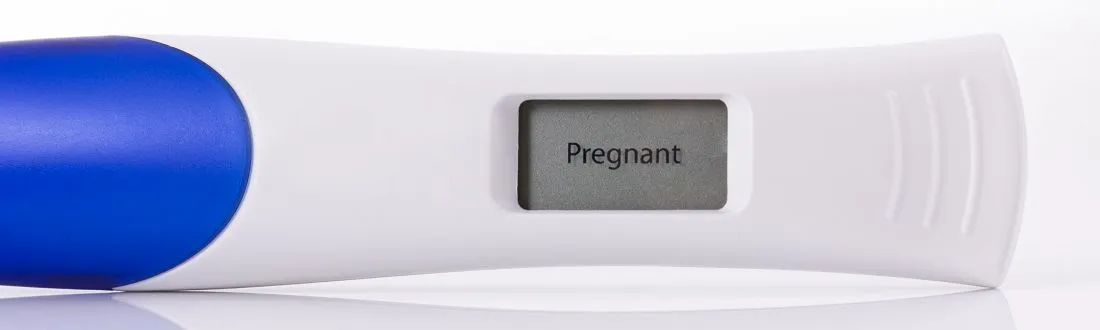
The first step when amenorrhoea is suspected is to rule out pregnancy with a pregnancy test. If the result is negative, and periods have been absent for three months or more, it is advisable to consult your GP for hormonal blood tests and investigation of the underlying cause. Acupuncture and Chinese herbal medicine can be commenced alongside this investigation and work comfortably in parallel with any conventional treatment.
2. Types of amenorrhoea
Amenorrhoea is divided into two main types:
- Primary amenorrhoea — where a young woman has never had a menstrual period. This is defined as the absence of menstruation by the age of 15 in females who have developed secondary sexual characteristics (such as breast development), or by the age of 13 in those without any signs of pubertal development. Primary amenorrhoea is less common than secondary amenorrhoea and is more often associated with genetic, anatomical or chromosomal factors, though functional and hormonal causes also apply.
- Secondary amenorrhoea — where periods were previously present but have stopped. This is defined as the absence of periods for three or more months in a woman with previously regular cycles, or for six months in a woman with previously irregular cycles. Secondary amenorrhoea is the more commonly seen presentation in clinical practice and is the primary focus of TCM treatment.
A further clinically important subtype is post-pill amenorrhoea — the absence of periods following cessation of the oral contraceptive pill. Because the pill suppresses the natural HPO axis while being taken, it can take several months for the natural cycle to re-establish itself after stopping. In some women, particularly those who have taken the pill for many years, this can persist for a year or more, with little offered by conventional medicine beyond watchful waiting. Acupuncture and Chinese herbs can significantly accelerate the recovery of the natural cycle in this situation.
3. Symptoms
In addition to the absence of periods, women with amenorrhoea may experience a range of associated symptoms depending on the underlying cause:
- Absent periods for three months or more (the defining feature)
- Sallow or pale complexion — often reflecting underlying Blood deficiency
- Dizziness and lightheadedness
- Lethargy and persistent fatigue
- Blurred vision
- Hot flushes or night sweats — particularly if the cause involves oestrogen deficiency, such as in premature ovarian failure
- Poor sleep and anxiety
- Unexplained weight changes — gain (often associated with PCOS or hypothyroidism) or loss (associated with functional hypothalamic amenorrhoea)
- Reduced bone density over time due to prolonged low oestrogen levels
- Difficulty conceiving, as ovulation is absent when periods are not occurring
4. Causes
In western medicine, amenorrhoea arises from disruption to one or more components of the hypothalamic-pituitary-ovarian-uterine axis. The most common causes are:
- Hypothalamic dysfunction (functional hypothalamic amenorrhoea) — the most prevalent cause of secondary amenorrhoea in young women. Chronic stress, excessive exercise, insufficient caloric intake or significant weight loss suppress GnRH secretion from the hypothalamus, which in turn reduces pituitary FSH and LH output, preventing follicular development and ovulation. This is a protective, energy-conserving response: the body shuts down reproduction when it perceives insufficient resources to sustain a pregnancy.
- Polycystic ovary syndrome (PCOS) — the most common hormonal disorder causing anovulation and irregular or absent cycles in women of reproductive age. PCOS is characterised by elevated androgens, insulin resistance and multiple small follicles in the ovaries that fail to mature fully and ovulate. Most women with PCOS have irregular rather than absent periods, but complete amenorrhoea is seen in those with more severe hormonal disruption.
- Hyperprolactinaemia — elevated prolactin, whether due to a pituitary adenoma (prolactinoma), certain medications (antidepressants, antipsychotics, metoclopramide), cannabis use or stress, signals to the body that it is breastfeeding and inhibits the HPO axis, suppressing ovulation and causing absent or infrequent periods.
- Thyroid dysfunction — both an underactive thyroid (hypothyroidism) and an overactive thyroid (hyperthyroidism) can disrupt the menstrual cycle. Hypothyroidism in particular can raise prolactin levels and suppress ovulation.
- Premature ovarian insufficiency (POI) — sometimes called premature ovarian failure, this occurs when the ovaries stop functioning normally before the age of 40, leading to low oestrogen, elevated FSH and absent periods. It affects approximately 1% of women under 40 and can have profound effects on fertility and bone health.
- Long-term use of the oral contraceptive pill — the pill suppresses the HPO axis and prevents natural ovulation. After stopping, it can take months to years for the natural cycle to fully re-establish in some women, particularly those who began taking it in their teens before their cycle was fully established.
- Excessive exercise or low body weight — the female athlete triad — comprising low energy availability, menstrual dysfunction and low bone density — is well recognised. Women who train intensively, particularly in endurance sports, are at particular risk of hypothalamic amenorrhoea. Dieting aggressively to lose weight has the same effect: the body becomes too depleted to sustain reproductive function.
- Medications — antidepressants, antipsychotics, chemotherapy agents and certain blood pressure medications can all cause secondary amenorrhoea by suppressing the HPO axis or raising prolactin.
- Uterine causes — scarring of the uterine cavity following D&C procedures, infection or surgery (Asherman’s syndrome) can prevent normal menstrual bleeding even when ovulation occurs.
5. Amenorrhoea in Chinese medicine
In traditional Chinese medicine, amenorrhoea is called Bi Jing — “closed” or “shut-off” menstruation. It arises when the Chong Mai (Penetrating Vessel) and Ren Mai (Conception Vessel) — the two extraordinary meridians that govern the uterus and menstrual cycle — are either insufficiently filled with Qi and Blood to produce a period, or obstructed so that Qi and Blood cannot flow freely to the uterus.
TCM distinguishes between deficiency patterns (where there is insufficient material to produce a period) and excess/stagnation patterns (where there is an obstruction preventing menstruation despite adequate resources). In practice, both components are often present simultaneously. The main patterns are:
- Kidney Yin and Jing deficiency — the most fundamental deficiency pattern, seen particularly in women who have been overworking, under-sleeping or under-nourishing themselves for extended periods, or in those with a constitutionally depleted ovarian reserve. The Kidneys provide the foundational Yin and Jing (essence) from which menstrual Blood is ultimately produced. When this source is depleted, there is simply insufficient Blood to fill the uterus each month. Associated signs include dizziness, tinnitus, night sweats, disturbed sleep, a dry mouth and a flushed sensation in the afternoon.
- Kidney Yang deficiency — insufficient warming Yang energy fails to drive the cycle and support ovulation. This pattern is associated with profound cold sensitivity, lower back and knee aching, fatigue, pale face, cold extremities and a feeling of inner cold. It is often seen in women with hypothyroidism or premature ovarian insufficiency.
- Blood deficiency — insufficient Blood to fill the uterus, arising from poor nutrition, overwork, excessive blood loss from previous heavy periods, or chronic deficiency of Spleen function in producing Blood from food. Associated signs include a pale complexion, dizziness when standing, dry hair and skin, poor memory and insomnia. This is a very commonly seen pattern in women with post-pill amenorrhoea or exercise-induced amenorrhoea.
- Liver Qi stagnation — chronic emotional tension, unresolved stress, frustration or unexpressed emotions constrain the free flow of Liver Qi, which over time obstructs the movement of Blood to the uterus. Associated with premenstrual tension before the period stopped, irritability, breast tenderness, a feeling of tightness in the chest and low mood.
- Blood stagnation — a more chronic obstruction pattern, often arising from longstanding Liver Qi stagnation or from Cold lodging in the uterus. May be associated with lower abdominal pain or a fixed, dull ache, a dark complexion and cold intolerance.
- Phlegm-Damp obstruction — the TCM mechanism underlying PCOS-related amenorrhoea. Phlegm accumulation, often related to poor Spleen function and a diet rich in dampness-producing foods, blocks the follicles and prevents ovulation and menstruation. Associated with weight gain, a sensation of heaviness, sluggish thinking and a thick tongue coating.
Treatment is directed at identifying the specific pattern or combination of patterns, then both tonifying the deficiency and removing the obstruction in a carefully balanced approach. The classical TCM “acupuncture artificial cycle” method — tailoring point selection and herbal formulas to the specific phase of the month — is used to gradually re-establish the natural rhythm of the cycle.
6. Acupuncture for amenorrhoea
Acupuncture can restore absent periods by acting on the hypothalamic-pituitary-ovarian axis, normalising the release of GnRH, LH, FSH and the downstream sex hormones that drive follicular development and ovulation. It improves blood flow to the ovaries and uterus, addresses the stress and cortisol dysregulation that suppresses the HPO axis in functional hypothalamic amenorrhoea, and builds the Qi, Blood and Kidney Jing that form the foundation of the menstrual cycle in TCM.
Electroacupuncture has particularly strong effects on the HPO axis, and has been shown in a randomised controlled trial by Jedel et al. (2011) to significantly reduce hyperandrogenism and improve oligo/amenorrhoea in women with PCOS. A controlled trial by Liu et al. (2017), published in the World Journal of Acupuncture-Moxibustion, compared an acupuncture and moxibustion artificial cycle protocol against oestrogen-progestogen therapy in 112 patients with functional amenorrhoea. The acupuncture-moxibustion group achieved equivalent effectiveness rates, but with a dramatically lower recurrence rate (25% versus 70% in the medication group) and fewer adverse effects. A case study by Szafranska et al. (2021), published in the Asian Journal of Complementary and Alternative Medicine, documented the restoration of menstruation in a 26-year-old woman who had experienced secondary amenorrhoea for three years following seven years of continuous oral contraceptive use, with her cycle returning after only three acupuncture sessions using TCM and Master Tung acupuncture points. Donoyama et al. (2011) reported a case in which acupuncture contributed to improving amenorrhoea in a competitive female athlete after conventional hormonal treatment alone had proved insufficient.
A review of acupuncture and moxibustion for amenorrhoea published in Medical Acupuncture (Cai et al., 2013) found that acupuncture, compared with hormonal therapy, can be advantageous for women with amenorrhoea, noting benefits including fewer adverse effects and lower recurrence rates.
7. Chinese herbal medicine for amenorrhoea
Chinese herbal medicine has been used to treat absent and irregular periods for over 2,000 years and remains one of the most effective TCM tools for restoring menstruation. Combined with acupuncture, herbal medicine provides a continuous therapeutic stimulus between sessions, addressing the underlying deficiency or stagnation patterns on a daily basis and significantly accelerating the recovery of the cycle.
A systematic review and meta-analysis published in the Journal of Ethnopharmacology (Ooi et al., 2022) evaluated Chinese herbal medicine in treating amenorrhoea caused by antipsychotic drug-induced hyperprolactinaemia — one of the more challenging forms of secondary amenorrhoea — and found significant benefits in restoring menstruation and regulating prolactin levels, with a favourable safety profile. The most commonly used herbs in the formulas studied included Angelica sinensis (Dang Gui), Paeonia lactiflora (Bai Shao), Bupleurum chinense (Chai Hu) and Leonurus japonicus (Yi Mu Cao) — herbs with well-documented effects on regulating female reproductive hormones and improving blood flow to the uterus.
Classical formulas used for the major amenorrhoea patterns include: Si Wu Tang (Four Substance Decoction) as the foundational Blood nourishing formula; Gui Shao Di Huang Wan for Kidney Yin and Blood deficiency; You Gui Wan for Kidney Yang deficiency; Xiao Yao San for Liver Qi stagnation; Xue Fu Zhu Yu Tang for Blood stagnation; and Cang Fu Dao Tan Tang for Phlegm-Damp obstruction in PCOS. Formulas are adjusted phase-by-phase as the cycle begins to re-emerge, with specific herbal modifications at each stage of the menstrual month to progressively strengthen and regulate the natural hormonal rhythm.
I prescribe pharmaceutical-grade Chinese herbal granules from Sun Ten (Taiwan), independently tested for purity, potency and safety. For patients unable to attend the clinic in person, I offer online Chinese herbal medicine consultations with herbs dispensed by post.
8. Self-care
Addressing the lifestyle factors that contribute to amenorrhoea is an essential part of treatment and greatly enhances the effects of acupuncture and herbal medicine. Key self-care recommendations include:
- Reducing excessive exercise — exercise is healthy, but exercising more than four or five times per week at high intensity is likely to be a contributing factor in exercise-induced amenorrhoea. Reducing intensity, increasing rest days and focusing on gentler activities such as yoga, swimming or walking can allow the HPO axis to recover. I regularly see women in my clinic who believe more exercise means better health; in TCM, over-exercise depletes Qi and Blood, making the body less able to sustain reproductive function.
- Adequate nutrition and healthy weight — the body requires sufficient caloric and nutritional resources to sustain ovulation. Restrictive dieting, low carbohydrate or very low calorie approaches can suppress the HPO axis within weeks. Restoring regular, nourishing meals — with particular attention to iron-rich foods, healthy fats and adequate protein — is essential. Chinese food therapy provides pattern-specific dietary guidance to support Blood production and Kidney Jing.
- Reducing stress — chronic stress is a primary driver of functional hypothalamic amenorrhoea. Identifying and addressing sources of stress, together with regular relaxation practices such as mindfulness, breathing exercises, tai chi or yoga, directly supports the recovery of the menstrual cycle.
- Adequate sleep — sleep deprivation depletes Kidney Yin and Jing in TCM. Consistently sleeping before midnight, for seven to eight hours, supports the recovery of the hormonal axis and egg quality.
- Warming the lower abdomen — in TCM, keeping the uterus and lower back warm supports Kidney Yang and Blood flow to the uterus. A warm wheat bag or hot water bottle applied to the lower abdomen regularly between periods is a simple, effective self-care measure.
- Cycle tracking — keeping a record of any signs of returning hormonal activity — cervical mucus changes, basal body temperature shifts, any spotting — helps to identify when the cycle is beginning to re-emerge and to identify ovulation when it returns.
9. Treatment at my clinic
I treat both primary and secondary amenorrhoea, including post-pill amenorrhoea, exercise-induced amenorrhoea, PCOS-related amenorrhoea and amenorrhoea related to stress or overwork, at my clinics in Wokingham, Berkshire. Online Chinese herbal medicine consultations are also available for patients who cannot attend in person.
Treatment combines acupuncture and Chinese herbal medicine using the TCM artificial cycle approach — adjusting both acupuncture point selection and herbal formulas to the specific phase of the month as the cycle begins to re-emerge. Most patients with functional amenorrhoea begin to show signs of hormonal recovery within six to twelve weekly sessions, though the full re-establishment of a regular cycle typically takes two to four months of consistent treatment. TCM treatment works comfortably alongside all conventional investigation and hormonal treatment for amenorrhoea.
For more information on improving fertility and restoring the menstrual cycle, read My Fertility Guide or visit the prices page for consultation costs.
10. Frequently asked questions
Can acupuncture restore absent periods?
Yes. Acupuncture has a well-documented ability to restore menstruation by normalising the hypothalamic-pituitary-ovarian axis, improving blood flow to the ovaries and uterus, reducing stress and addressing the underlying deficiency or stagnation patterns identified through TCM diagnosis. Research shows it achieves comparable effectiveness to conventional hormonal therapy for functional amenorrhoea, with significantly lower recurrence rates and fewer adverse effects.
How long does it take to restore periods with acupuncture?
This depends on the underlying cause, the duration of amenorrhoea and the individual’s constitution. Many women with functional amenorrhoea — particularly post-pill, stress-related or exercise-related — begin to see signs of returning hormonal activity within four to eight sessions. A fuller course of twelve or more sessions, combined with Chinese herbal medicine and lifestyle changes, typically produces the most reliable results over two to four months.
Can Chinese herbal medicine help with amenorrhoea?
Yes. Chinese herbal medicine has been used to treat absent periods for over 2,000 years and has a substantial modern evidence base. Herbal formulas are prescribed individually on the basis of TCM pattern diagnosis and adjusted phase-by-phase as the cycle begins to re-emerge. Research confirms that Chinese herbal medicine is effective for amenorrhoea including cases driven by hyperprolactinaemia, with benefits for prolactin regulation and menstrual restoration.
What is the best treatment for post-pill amenorrhoea?
The oral contraceptive pill suppresses the HPO axis while being taken, and it can take many months to re-establish a natural cycle after stopping, particularly in women who have been on the pill for many years. Acupuncture and Chinese herbal medicine are specifically well suited to this situation, as they directly support the recovery of the HPO axis and the rebuilding of Qi and Blood that the pill has suppressed. A case published in 2021 documented the restoration of menstruation after three years of post-pill amenorrhoea within just three acupuncture sessions.
Is amenorrhoea linked to infertility?
Yes. Since ovulation is absent when periods are not occurring, amenorrhoea is associated with infertility. Restoring regular ovulatory cycles is the essential first step for women with amenorrhoea who wish to conceive. In many cases, once the underlying TCM pattern is addressed and the cycle is re-established, fertility returns naturally. See also the pages on anovulation and irregular menstrual cycles.
Can I have treatment while being investigated for amenorrhoea by my GP or gynaecologist?
Yes. Acupuncture and Chinese herbal medicine work comfortably alongside all NHS investigation and treatment for amenorrhoea. I always take a full medical and medication history before prescribing to ensure that herbal treatment is appropriate alongside any prescribed medications. TCM treatment complements rather than replaces conventional medical care.
11. References
Jedel E, Labrie F, Odén A, Holm G, Nilsson L, Janson PO, Lind AK, Ohlsson C, Stener-Victorin E. Impact of electro-acupuncture and physical exercise on hyperandrogenism and oligo/amenorrhea in women with polycystic ovary syndrome: a randomized controlled trial. American Journal of Physiology-Endocrinology and Metabolism. 2011;300(1):E37–E45. https://doi.org/10.1152/ajpendo.00495.2010.
Donoyama N, Hotoge S, Ohkoshi N. Acupuncture might have contributed to improving amenorrhoea in a top athlete. Acupuncture in Medicine. 2011;29(4):304–306. https://doi.org/10.1136/acupmed.2011.010081.
Cai C. Acupuncture and moxibustion treatment of amenorrhea. Medical Acupuncture. 2013;25(6):386–391. https://doi.org/10.1089/acu.2012.0914.
Liu YH, Yang H, Yang YJ, et al. Acupuncture and moxibustion for functional hypothalamic amenorrhea by establishing artificial cycle: a controlled trial. World Journal of Acupuncture-Moxibustion. 2017;27(3):1–7. 112 patients; recurrence rate 25% vs 70% in the medication group. https://doi.org/10.1016/j.wjam.2017.09.001.
Szafranska V, Xu B, Murphy L, Park J, Feng T, et al. A Case Study of Amenorrhea Treated with Acupuncture. Asian Journal of Complementary and Alternative Medicine. 2021;9(2):55–58. https://doi.org/10.25041/ajoCAM.2021.v9i2.2430.
Ooi SL, Rae J, Pak SC. Traditional Chinese herbal medicine in treating amenorrhea caused by antipsychotic drugs: meta-analysis and systematic review. Journal of Ethnopharmacology. 2022;288:115030. https://doi.org/10.1016/j.jep.2022.115030.















